Signs of a Slab Leak: What Texas Homeowners Need to Know
Discover the key signs of slab leaks in Texas homes. Learn how to identify and address this challenge to protect your property from damage.
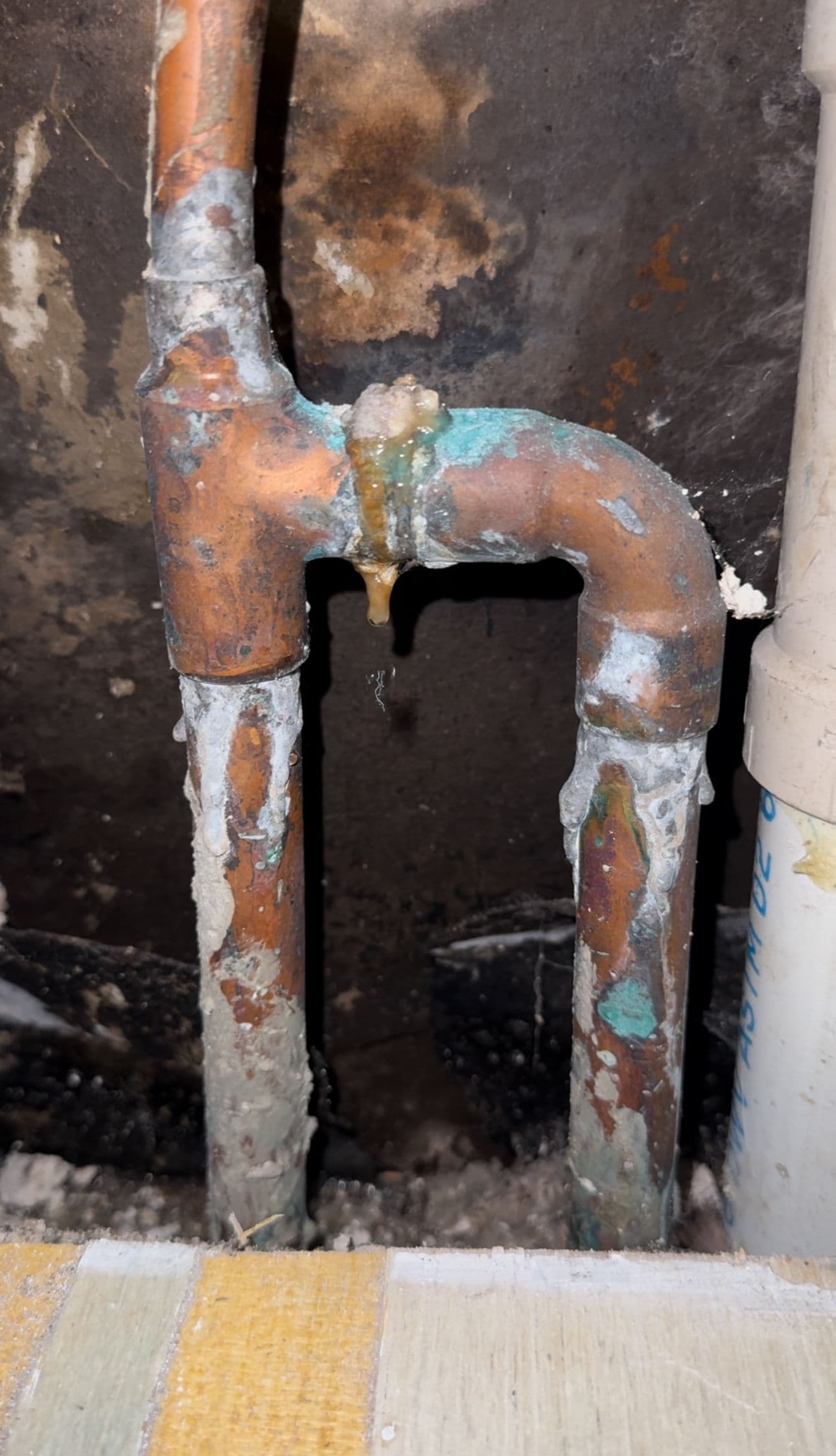
Signs of a Slab Leak: How to Tell if You Have a Water Leak Beneath Your Foundation
A slab leak is one of the most serious plumbing problems a homeowner can face. Unlike a dripping faucet or visible pipe leak, slab leaks often occur beneath the concrete foundation of your home, making them difficult to detect until significant damage has already occurred.
At Plunger Pros, we regularly help homeowners in New Braunfels, San Antonio, Schertz, Cibolo, Bulverde, Spring Branch, Canyon Lake, and surrounding areas locate and repair slab leaks. One of the biggest challenges is that many homeowners don't realize they have a leak until they notice damaged flooring, unusually high water bills, or water appearing where it shouldn't.
If you've noticed unusual plumbing symptoms around your home, here are the most common signs of a slab leak and what you should do next.
What Is a Slab Leak?
A slab leak is a leak in a water line located beneath or within the concrete foundation of a home.
In many older Texas homes, copper water lines were installed directly within the foundation slab. Over time, these pipes can develop leaks due to:
Corrosion
Electrolysis
Hard water scale buildup
Foundation movement
Kinked piping
Poor installation practices
As these plumbing systems age, slab leaks are becoming increasingly common throughout New Braunfels, San Antonio, and surrounding communities.
Common Signs of a Slab Leak
1. A High Water Bill With No Visible Leak
One of the most common reasons homeowners call us is because their water bill suddenly increases without any obvious explanation.
If your water usage hasn't changed but your bill continues to rise, water may be escaping beneath your foundation where it cannot be seen.
Because the leak is hidden, homeowners often assume the water company made a mistake or that the increase is temporary.
2. Hearing Water Running When Nothing Is Being Used
Do you hear water running inside the walls or beneath the floor even when every fixture is turned off?
This is another common warning sign of a slab leak.
Many customers describe hearing:
Running water
Hissing sounds
Rushing water beneath the floor
If nobody is using water and you continue hearing these sounds, it's time to have the plumbing system evaluated.
3. Warm Spots on the Floor
A warm area on your tile, wood, or concrete flooring can indicate a hot water slab leak.
Because hot water is continuously escaping beneath the foundation, it can create noticeable warm spots on the floor surface.
Many homeowners first discover a slab leak simply by walking barefoot through their home and noticing an area that feels warmer than the surrounding floor.
4. Low Water Pressure Throughout the Home
A leak beneath the foundation can reduce the amount of water reaching fixtures throughout the house.
You may notice:
Weak shower pressure
Reduced sink flow
Lower pressure at multiple fixtures
While low water pressure can have several causes, a slab leak should be considered when pressure issues are combined with other warning signs.
5. Water Coming Through the Floor
One of the more obvious signs of a slab leak is water appearing through flooring materials.
Homeowners may notice:
Wet spots on tile
Damp carpet
Water seeping through grout lines
Moisture appearing where no plumbing fixture is present
By the time water becomes visible, the leak may have already been present for some time.
6. Water Appearing Along Baseboards or Walls
Water doesn't always travel straight upward.
Many slab leaks allow water to migrate beneath flooring and behind walls before finally becoming visible.
This can lead to:
Wet baseboards
Damaged drywall
Moisture stains
Swollen trim
In some cases, the visible water may appear several feet away from the actual leak location.
Why Slab Leaks Should Be Addressed Immediately
One of the most overlooked aspects of slab leaks is the fact that homeowners often assume there isn't an active leak because they don't see water.
Unfortunately, hidden slab leaks can continue causing damage long before water becomes visible.
Waiting to address a slab leak can result in:
Flooring damage
Cabinet damage
Drywall damage
Mold growth
Increased water bills
Potential foundation concerns
Because water often travels beneath flooring materials, substantial damage can occur before homeowners realize there's a problem.
How Plunger Pros Locates Slab Leaks
Proper leak detection is critical before any repair can be recommended.
Our process typically begins with a pressure drop test to confirm that a leak exists within the plumbing system.
From there, we use one of two primary methods.
Electronic Leak Detection
Electronic leak detection equipment allows us to listen for water movement beneath the foundation and narrow down the leak location.
Pinpoint and Isolation Testing
In many cases, we perform pinpoint and isolation testing.
This involves:
Locating the home's water manifold
Tracing individual water lines
Pressure testing each line independently
Identifying the specific line that has failed
This method allows us to accurately determine which pipe is leaking before discussing repair options.
Most slab leak detection appointments take approximately 1 to 4 hours depending on the complexity of the plumbing system.
A Recent Slab Leak Repair in San Antonio
We recently worked with a homeowner in San Antonio who noticed water coming through the tile and wood flooring in the laundry room, bathroom, and living room.
Due to the age of the home, we suspected copper water lines installed beneath the foundation.
After locating the manifold closest to the affected area, we began pinpoint and isolation testing.
We ultimately identified the kitchen water line as the source of the leak.
Rather than tearing up flooring and breaking through the foundation, we abandoned the leaking line and rerouted a new water line overhead to restore service to the affected area.
The homeowner was able to avoid major disruption while receiving a permanent solution to the problem.
Do Slab Leak Repairs Require Tearing Up the House?
This is one of the biggest misconceptions homeowners have.
Many people believe that repairing a slab leak requires:
Removing flooring
Demolishing cabinets
Breaking through concrete
Extensive reconstruction
In reality, that is usually not how we approach slab leak repairs.
Why We Prefer Water Line Reroutes
At Plunger Pros, we typically reroute leaking water lines rather than breaking through the slab to repair them.
There are several reasons for this.
Less Disruption
A reroute is generally much less disruptive to your daily life.
Faster Repairs
Many reroutes can be completed in just a few hours.
Avoids Foundation Demolition
Breaking through the slab creates significant mess and disruption while often addressing only one section of aging pipe.
Long-Term Reliability
We install new PEX water lines routed through attics, walls, or subfloors depending on the home's design.
PEX offers excellent durability and eliminates the need to continue relying on the damaged section of pipe within the foundation.
Most reroutes only require a few drywall access openings, though the exact number varies based on the home's layout.
When Should You Consider a Repipe?
If you've experienced multiple slab leaks, replacing additional piping may be worth considering.
As a general guideline, we often recommend homeowners begin evaluating repiping options after experiencing approximately 2 to 4 slab leaks.
The reasoning is simple.
The plumbing system was likely:
Installed at the same time
Exposed to the same water quality
Subjected to the same wear and aging
If one section of pipe has failed multiple times, the likelihood of future failures increases significantly.
Can Slab Leaks Be Prevented?
Not all slab leaks can be prevented, but regular plumbing evaluations can help identify issues before they become major problems.
When evaluating a home, we often inspect:
Water pressure
Water quality
Existing plumbing materials
Signs of previous leaks
Overall plumbing system condition
Addressing issues such as excessive water pressure or poor water quality can help extend the life of your plumbing system.
Call a Professional if You Suspect a Slab Leak
If you're experiencing a high water bill, hearing water running, noticing warm spots on your floor, or seeing unexplained moisture inside your home, don't wait.
Slab leaks rarely improve on their own and often become more expensive the longer they go unaddressed.
Plunger Pros provides professional slab leak detection and repair services throughout New Braunfels, San Antonio, Schertz, Cibolo, Bulverde, Spring Branch, Canyon Lake, and surrounding communities.
Our team can accurately locate the source of the leak and help you determine the best repair option for your home.
Plunger Pros
Plumbing done the proper way
M45279
(830) 356-2141
Frequently Asked Questions
What is the most common sign of a slab leak?
A high water bill with no visible leak is one of the most common warning signs homeowners notice.
Can a slab leak cause low water pressure?
Yes. Water escaping beneath the foundation can reduce water pressure throughout the home.
Are slab leaks common in Texas?
They are becoming increasingly common in older homes with copper water lines installed beneath the foundation.
Do slab leaks always require breaking through the foundation?
No. Many slab leaks can be repaired by rerouting the affected water line rather than excavating through the slab.
How long does slab leak detection take?
Most slab leak detection appointments take between 1 and 4 hours depending on the plumbing system and testing required.
What type of pipe is used during a reroute?
We typically use PEX piping when rerouting water lines due to its durability and reliability.
Do you offer financing for slab leak repairs?
Yes. Financing options are available for qualified homeowners.