What Is a Hydrostatic Test? A Homeowner's Guide for New Braunfels & San Antonio
Discover what a hydrostatic test is, how it's conducted, and its importance for homeowners in New Braunfels & San Antonio when assessing underground drains.
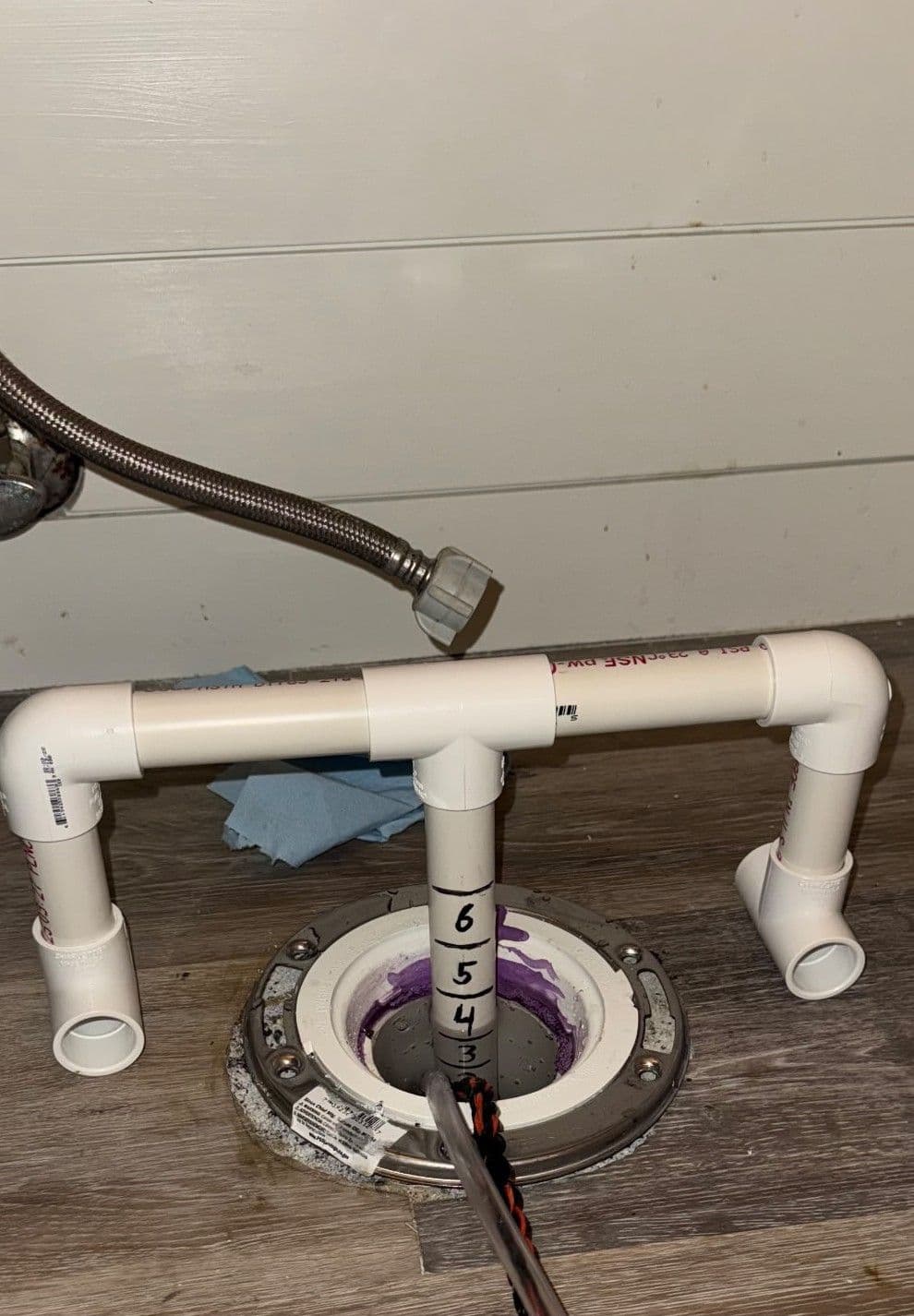
If you've been told you need a hydrostatic test, you're probably wondering what it actually is and whether you should be concerned.
A hydrostatic test is a plumbing test used to check a home's underground drain system for leaks, specifically the drain lines beneath the home's foundation. These tests are commonly performed during home purchases, before and after foundation work, after major drain repairs, or when there are concerns about movement beneath the home.
At Plunger Pros, we believe homeowners should understand what a test is, why it's performed, and what the results actually mean before making decisions.
What Does a Hydrostatic Test Check?
A hydrostatic test evaluates whether the underground drain system can hold water without leaking.
The goal is simple:
If the system holds water, it passes.
If the water level drops, the system has failed and there may be a leak somewhere within the drain system beneath the home.
Many homeowners think this test finds the exact location of a leak. It doesn't.
A hydrostatic test tells us whether a problem exists. Additional testing is often needed to determine exactly where the leak is located.
How Does Plunger Pros Perform a Hydrostatic Test?
Our process generally follows these steps:
We block off the home's main building sewer, usually at the main cleanout.
We remove a toilet to gain access to the drain system.
We fill the underground drain system with water.
We mark the water level at the toilet flange.
We allow proper time for the system to sit and monitor whether the water level changes.
If the water level stays consistent, the system passes.
If the water level drops, the system fails and indicates the presence of a leak somewhere in the underground drain system.
A typical hydrostatic test generally takes approximately 1 to 2 hours.
When Is a Hydrostatic Test Recommended?
Some of the most common situations where we recommend hydrostatic testing include:
• Buying or selling a home
• Before foundation repair or leveling work
• After foundation repair or leveling work
• Foundation movement concerns
• After major underground drain repairs
• Verifying repair work was completed properly
Although those are common situations, some homeowners may also hear hydrostatic testing recommended when there are recurring sewer issues, drain concerns, or suspected underground plumbing problems.
What Happens If My Home Fails a Hydrostatic Test?
A failed test doesn't automatically mean major repairs are needed.
The next step is identifying where the leak exists.
We may start with a sewer camera inspection to look for obvious issues such as:
• Broken piping
• Separated joints
• Heavy deterioration
• Visible damage
However, not all leaks can be seen with a camera.
If additional information is needed, we commonly recommend pinpoint and isolation testing. This process allows sections of the drain system to be separated and tested individually instead of testing the entire system at once.
By isolating sections, we can often narrow the issue down to the exact fitting or area causing the problem.
Once the leak is located, repair options can be discussed.
In the New Braunfels and San Antonio area, this often involves tunneling beneath the home's foundation to access and repair underground drain lines.
Common Misconceptions About Hydrostatic Testing
"Hydrostatic testing puts high pressure on the plumbing system"
This is one of the most common misconceptions we hear.
Hydrostatic testing is not a high-pressure test.
We are not pumping air or applying excessive pressure into the system. We are simply filling the drain system with water to slab level and monitoring whether it holds.
"The test tells me exactly where the leak is"
Not necessarily.
Hydrostatic testing confirms whether a leak exists but does not identify the exact location.
That is why additional pinpoint and isolation testing may be needed.
Why Hydrostatic Testing Matters in New Braunfels and San Antonio
Homes in the New Braunfels and San Antonio area face conditions that can place additional stress on underground plumbing systems.
Expansive soil in our area can shift as moisture levels change. Over time, this movement can place stress on underground drain piping and create leaks.
Older homes can also have cast iron drain systems that naturally deteriorate with age, corrosion, and wear.
These conditions make proper testing important when foundation movement or underground drain concerns exist.
Documentation We Provide
When hydrostatic testing is completed, we can provide documentation including:
• Written invoice and findings
• Hydrostatic pass letter
• Photos
• Permit documentation when applicable
• Engineer documentation when applicable
Need a Hydrostatic Test in New Braunfels or San Antonio?
Whether you're purchasing a home, preparing for foundation work, verifying repairs, or dealing with concerns beneath your home, understanding the condition of your underground drain system can help prevent larger issues later.
At Plunger Pros, we take time to explain what we're seeing and provide options so homeowners can make informed decisions.
Plumbing done the proper way.
Plunger Pros
M45279
(830) 356-2141
Frequently Asked Questions About Hydrostatic Testing
What is a hydrostatic test?
A hydrostatic test is a plumbing test used to determine whether the underground drain system beneath a home is leaking. The drain system is filled with water and monitored to see if it can hold the water without the level dropping.
What does a hydrostatic test check?
A hydrostatic test checks the underground drain lines beneath the home's foundation for leaks. It helps determine whether the drain system is watertight or if wastewater may be escaping somewhere beneath the home.
How long does a hydrostatic test take?
Most hydrostatic tests take approximately 1 to 2 hours to complete, depending on the size of the home and the plumbing system being tested.
Does a hydrostatic test tell you exactly where the leak is?
No. A hydrostatic test only confirms whether a leak exists within the underground drain system. Additional testing, such as a sewer camera inspection or pinpoint and isolation testing, may be needed to locate the exact source of the leak.
What happens if my home fails a hydrostatic test?
If the water level drops during the test, it indicates there is a leak somewhere in the underground drain system. Additional testing is usually recommended to determine the location and extent of the problem before repair options are discussed.
Can a sewer camera inspection replace a hydrostatic test?
Not always. A sewer camera can identify visible problems such as cracks, separations, root intrusion, or deteriorated piping. However, some leaks cannot be seen with a camera. A hydrostatic test helps determine whether the system is actually leaking.
Why would I need a hydrostatic test when buying a home?
A hydrostatic test can help identify hidden drain line leaks beneath the foundation before purchasing a property. Discovering these issues before closing can help buyers make informed decisions and avoid unexpected repair costs.
Should a hydrostatic test be performed before foundation repairs?
Yes. Many foundation companies, engineers, and plumbing professionals recommend testing the drain system before foundation work begins. This helps establish the condition of the plumbing system before any repairs are made.
Should a hydrostatic test be performed after foundation repairs?
Yes. Testing after foundation repairs helps verify that the underground drain system is still holding water properly and that no damage occurred during the foundation work.
Is a hydrostatic test a high-pressure test?
No. This is a common misconception. Hydrostatic testing does not involve applying high air pressure to the plumbing system. The drain system is simply filled with water and monitored to see if it can maintain the water level.
What causes a home to fail a hydrostatic test?
Common causes include:
Broken drain pipes
Separated pipe joints
Cracked fittings
Deteriorated cast iron piping
Damage caused by soil movement
Previous plumbing repairs that have failed
Can foundation movement cause drain line leaks?
Yes. The expansive soils found throughout New Braunfels and San Antonio can shift over time. This movement can place stress on underground drain lines and may contribute to cracks, separations, and leaks.
Are hydrostatic tests only for older homes?
No. While older homes are more likely to have aging drain systems, newer homes can also develop drain line leaks due to installation defects, foundation movement, or other issues.
What is pinpoint and isolation testing?
Pinpoint and isolation testing involves separating sections of the drain system and testing them individually. This helps narrow down the exact location of a leak after a hydrostatic test has confirmed one exists.
How are underground drain line leaks typically repaired?
Repair methods vary depending on the location and condition of the piping. In many cases throughout New Braunfels and San Antonio, tunneling beneath the home's foundation is used to access and repair underground drain lines while minimizing disruption to the home.
Do you provide documentation after a hydrostatic test?
Yes. Documentation may include written findings, hydrostatic pass letters, photos, permit documentation when applicable, and engineer documentation when required.
How much does a hydrostatic test cost?
The cost varies depending on the size of the home, accessibility of the plumbing system, and any additional testing that may be required. Contact Plunger Pros for current pricing and availability.
Do I need a plumber or a foundation company to perform a hydrostatic test?
A licensed plumber should perform the hydrostatic test because it involves evaluating the home's plumbing system. If foundation concerns are involved, the plumber may also work alongside a foundation company or engineer as needed.